Published 6 August 2026 | 5 Minutes Read
Shopify Website Development:
What Does a High-Converting
Online Store Really Need?
Launching a Shopify website has become relatively simple. Building a Shopify store that attracts customers, earns their trust, and consistently generates sales is a completely different challenge.

Aadhila Zakkari
Technical Content Developer at Glads.
Many businesses begin their e-commerce journey by selecting an attractive theme, uploading product images and connecting a payment gateway. While this may be enough to make a store operational, it does not necessarily make it commercially effective. Successful e-commerce requires a carefully planned combination of brand positioning, user experience, persuasive content, technical performance and marketing readiness.
Whether you are launching a new product brand, moving an existing business online or rebuilding an underperforming store, Shopify website development should be approached as a business investment rather than a basic web-design project.
Why Businesses Choose Shopify for E-Commerce
Shopify provides businesses with a reliable platform for managing products, inventory, orders, payments, promotions and customer information. Its user-friendly administration system allows business owners to operate their stores without depending on a developer for every routine update.
The platform is suitable for businesses at different stages of growth. A new brand can begin with a focused product catalogue, while an established retailer can develop a more sophisticated shopping experience with custom sections, integrations and automation.
However, choosing Shopify alone does not guarantee success. The platform provides the technical foundation, but the store still needs the right strategy, design and execution to produce meaningful business results.
A Successful Shopify Store Begins With Business Strategy
Shopify development should not begin with selecting colours or browsing themes. It should start with a clear understanding of the business, its customers and its commercial goals.
The development team needs to understand what the brand sells, who is most likely to purchase it, why customers should choose it over competitors and what concerns may prevent someone from completing an order. These insights influence the store’s structure, messaging, product presentation and customer journey.
A business selling premium lifestyle products, for example, requires a very different experience from a store selling affordable everyday essentials. The visual language, content depth, navigation and sales approach should reflect the expectations of the intended customer.
Without this strategic foundation, even an attractive Shopify store can struggle to communicate value or convert visitors.
Brand Identity Has a Direct Impact on Online Sales
Customers cannot physically examine a product when shopping online. They depend heavily on the appearance and credibility of the brand when deciding whether to trust it.
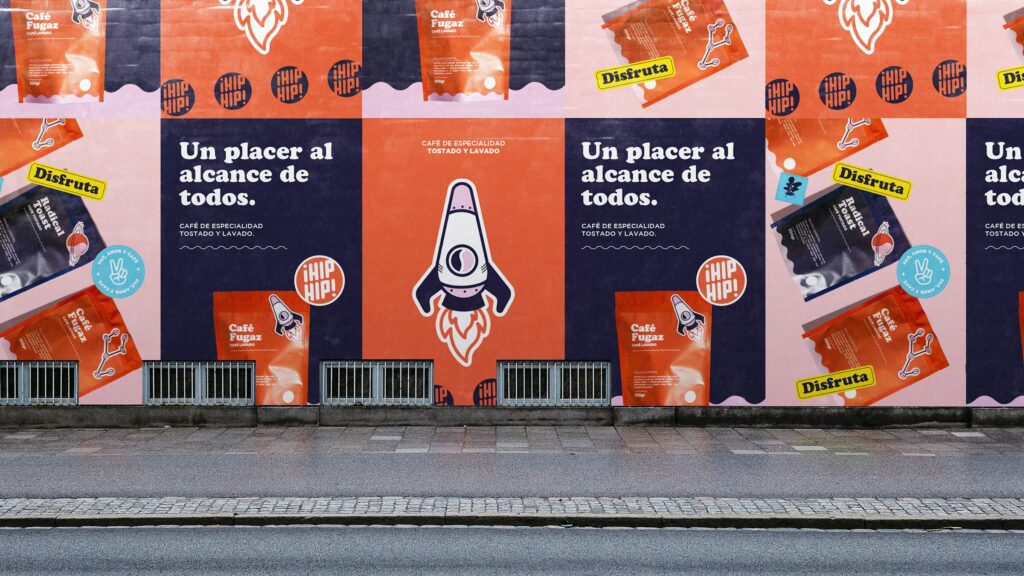
A professionally developed identity makes the Shopify store feel distinctive and dependable. The logo, colours, typography, photography, graphic elements and communication style should work together to create one recognisable brand experience.
Using a standard Shopify theme without thoughtful customisation can make a business appear similar to hundreds of other online stores. This becomes a serious disadvantage when customers are comparing products from multiple brands.
Strong Shopify website design does more than make the store visually appealing. It communicates product quality, creates emotional relevance and helps customers feel confident about purchasing from the business.
User Experience Should Guide Customers Towards a Purchase
Every visitor enters a Shopify store with a purpose. Some are searching for a specific product, while others are comparing options or trying to understand whether the brand is trustworthy. The website should help each person find the information they need without confusion.
Clear navigation, well-organised collections and useful search functionality make products easier to discover. Product pages should answer important questions about features, materials, sizing, usage, delivery, returns and product suitability. Calls to action should be easy to identify without making the website feel aggressive.
The checkout journey should also be straightforward. Unexpected charges, unclear delivery information, complicated forms and limited payment options can cause customers to leave before completing their orders.
Good user experience removes these unnecessary obstacles and creates a natural path from product discovery to purchase.
Product Pages Are the Real Salespeople of a Shopify Store
A product page should do more than display a product name, image and price. It must give customers enough information and confidence to make a decision without speaking directly to a salesperson.
High-quality product photography is essential because customers want to see the product clearly from different perspectives. Lifestyle images can help them understand how the product fits into their needs, environment or aspirations. Video demonstrations may also be valuable when the product has distinctive features or requires explanation.
Product descriptions should focus on customer value rather than merely listing specifications. They should explain what makes the product useful, different or worth its price. Information about shipping, returns, warranties and customer support should be presented clearly enough to reduce hesitation.
Customer reviews, ratings, testimonials and other forms of social proof can strengthen credibility. When these elements work together, the product page becomes a persuasive sales experience rather than a simple catalogue listing.
Mobile Shopping Must Be a Priority
A significant portion of customers will discover and browse an online store using a mobile phone. They may arrive through Instagram, Facebook, Google, WhatsApp or an influencer recommendation. If the mobile experience is slow, cluttered or difficult to navigate, the business can lose a potential sale within seconds.
Mobile Shopify development requires more than making the desktop design fit a smaller screen. Text should remain readable, product images should load correctly and important actions should be easy to complete using one hand. Navigation, product selection, cart management and checkout should feel smooth on different mobile devices.
The mobile version should be treated as a primary shopping experience from the beginning of the project, not as a final adjustment after the desktop website has been completed.
Website Speed Can Influence Customer Decisions
Online shoppers expect stores to respond quickly. Large images, excessive applications, unnecessary animations and poorly implemented theme customisations can slow down a Shopify website.
A slow store creates frustration and can reduce the number of visitors who explore products or reach the checkout. It can also affect the performance of paid advertising because businesses may pay to attract users who leave before the website has fully loaded.
Performance should therefore be considered during design and development. Images should be properly prepared, applications should be selected carefully and custom features should be implemented efficiently.
The objective is not to remove every visual element. It is to create a premium experience without sacrificing usability or speed.
Shopify Apps Should Solve Real Business Problems
Shopify’s app ecosystem makes it possible to add features related to reviews, loyalty programmes, subscriptions, email marketing, recommendations, analytics and many other functions.
However, adding too many applications can increase monthly expenses, complicate store management and affect website performance. Some apps may also introduce visual inconsistencies or overlapping functionality.
Applications should be selected based on actual business requirements. Before installing an app, it is important to consider whether the feature can improve customer experience, increase conversions or simplify operations. The long-term cost and technical impact should also be evaluated.
A well-planned Shopify store uses technology purposefully instead of adding features simply because they are available.
Search Engine Optimisation Should Be Built Into the Store
A Shopify website should be structured so that search engines can understand its products, collections and content. SEO should not be treated as something that begins only after the store has been launched.
Collection names, page titles, product descriptions, URLs, image information and internal links should be organised around how potential customers search. The website structure should help search engines identify the relationship between different products and categories.
Publishing useful content can also attract people who are researching a problem before they are ready to purchase. Product guides, comparisons, usage articles and buying advice can help a Shopify store build visibility while guiding potential customers towards suitable products.
SEO requires time and consistency, but building the right foundation during development can prevent costly restructuring later.
A Shopify Store Must Be Ready for Performance Marketing
Many e-commerce brands plan to generate sales through Meta Ads, Google Ads or influencer campaigns. The Shopify store must be prepared to convert and measure the traffic these campaigns generate.
Advertising platforms require accurate tracking to understand which campaigns, audiences and creative materials contribute to purchases. Analytics and conversion events should be configured carefully so that marketing decisions are based on reliable information.
Dedicated landing pages may also be needed for particular campaigns, product launches or customer segments. Sending every advertisement to the homepage can create unnecessary steps between the customer’s interest and the relevant offer.
Marketing readiness should be part of the initial Shopify development process. This allows the business to launch campaigns with a stronger customer journey and a clearer measurement system.
Why Low-Cost Shopify Development Can Become Expensive
A low-cost Shopify store may appear financially attractive during the initial stage. However, development decisions made without proper strategy can create larger expenses after launch.
The business may later discover that the website does not communicate its value, perform well on mobile devices or support advertising campaigns effectively. Important features may require additional paid applications, while poorly organised products and collections may need to be restructured completely.
In some cases, businesses invest heavily in advertising before realising that the store itself is preventing conversions. This results in wasted marketing budgets and an incorrect assumption that the product or campaign is the problem.
The real cost of Shopify development should be evaluated according to the quality of the final business system, not simply the amount charged to install and customise a theme.
Template Customisation or Custom Shopify Development?
Template customisation can be suitable for a business with a focused product range, straightforward requirements and a controlled launch budget. A carefully selected theme can provide a reliable foundation when it is adapted properly to the brand and customer journey.
Custom Shopify development becomes valuable when the business requires a more distinctive experience, specialised functionality or greater flexibility. This may include custom product selection, advanced filtering, unique landing pages, personalised products, unusual catalogue structures or integrations with other business systems.
The right approach depends on the business model and growth plan. A professional Shopify development company should recommend the level of customisation that creates genuine value instead of encouraging unnecessary complexity.
What to Look for in a Shopify Development Company
The right Shopify partner should understand more than website development. E-commerce performance is influenced by branding, content, user experience, technology and marketing, so these areas should be considered together.
During the consultation, pay attention to the questions the agency asks. A strategic team will want to understand your audience, positioning, products, competitors, order process, delivery capabilities and marketing plans before recommending a solution.
The agency should also explain what is included in the project, which Shopify costs are separate, what content the business needs to provide and how the store will be tested before launch. Clear communication during the proposal stage is often a strong indicator of how the project will be managed later.
Most importantly, choose a partner that discusses business outcomes rather than concentrating entirely on visual features.
When Should You Invest in a Professional Shopify Store?
Professional Shopify development is particularly valuable when the business is preparing for a serious e-commerce launch, investing in paid advertising or targeting customers beyond its local market. It is also important when the product requires strong brand positioning, detailed explanation or a premium customer experience.
Existing businesses should consider redesigning their Shopify stores when traffic is growing but sales remain weak, mobile customers leave without purchasing or the website no longer reflects the quality of the brand. A redesign may also become necessary when the product range expands and the original store structure becomes difficult to navigate.
The objective should not be to rebuild the website merely for a different appearance. Every change should address a clear customer or business requirement.
Build Shopify as a Sales System, Not Just a Website
A successful Shopify store connects brand identity, product presentation, customer experience, marketing and operational requirements within one platform. Each element should support the customer’s decision and the company’s long-term growth.
The strongest online stores are not necessarily the ones with the most features. They are the ones that clearly communicate value, remove buying friction and create confidence at every stage of the customer journey.
Businesses that approach Shopify development strategically are better positioned to attract qualified traffic, convert more visitors and scale their e-commerce operations with confidence.
Planning a Serious Shopify Project?
Glads develops Shopify e-commerce experiences for businesses that want more than a ready-made online store. We bring together brand strategy, Shopify website design, content direction, conversion-focused development and performance marketing readiness to create stores built around real business goals.
Whether you are launching a new e-commerce brand, moving an established business online or rebuilding a Shopify store that is not generating enough sales, our team can help you develop the right strategy and execution.
Tell us about your products, target market and growth plans. Connect with Glads for a Shopify strategy consultation and discover what your online store needs to compete, convert, and scale.
Let's Build Your
Shopify Store!
You May Also Like
-
Why Your Business Needs Branding Before Digital Marketing?
-
Why Your Website Gets Traffic but No Enquiries: A Conversion-Focused Website Design Guide.
-
Why Most Business Websites Don’t Generate Leads: How Smart Website Design Can Fix It?
-
Shopify Website Development: What Does a High-Converting Online Store Really Need?
-
Why a Strong Brand Identity Is Essential for Business Growth?