Published 6 August 2026 | 5 Minutes Read
Why a Strong Brand Identity
Is Essential for Business Growth
A successful business needs more than a quality product or service. It needs a clear and memorable identity that helps people recognise it, understand its value and remember it when they are ready to make a purchase. In a competitive market, customers are constantly exposed to different businesses offering similar solutions. A strong brand identity gives them a meaningful reason to notice one business over another.

Aadhila Zakkari
Technical Content Developer at Glads.
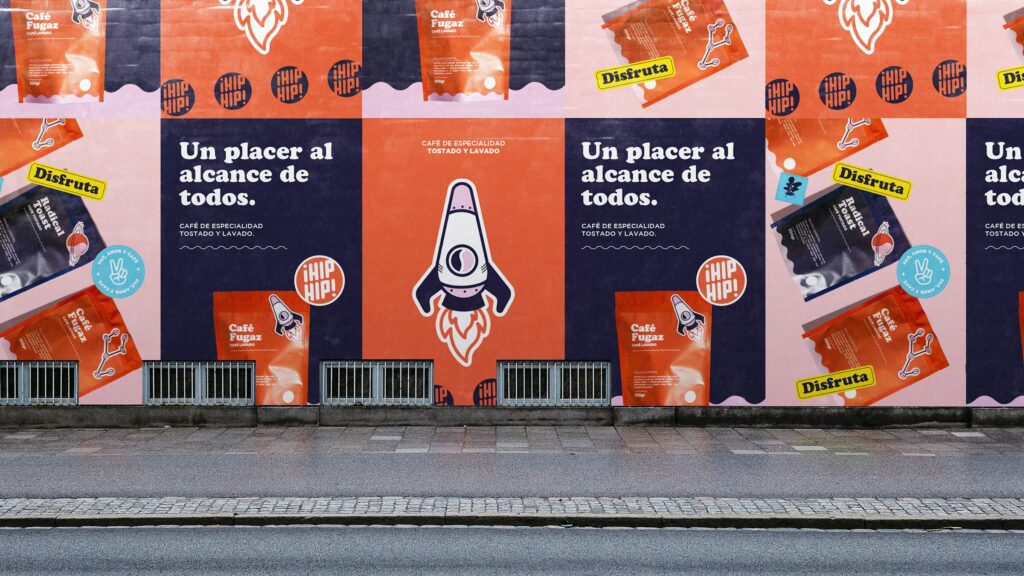
Brand identity is the complete visual and emotional representation of a company. It includes the logo, colours, typography, imagery, communication style and the overall experience customers associate with the business. When these elements work together consistently, they create a brand that feels professional, trustworthy and distinctive.
Creating a Memorable First Impression
Customers often form an opinion about a business within seconds of discovering it. The appearance of its website, social media pages, advertisements and marketing materials immediately communicates something about its quality and credibility. Even when a company offers an excellent product or service, an outdated or inconsistent identity can make potential customers hesitant to engage.
A professionally developed identity ensures that the first impression reflects the actual value of the business. It communicates confidence, attention to detail, and a clear understanding of the market. This initial perception can influence whether a customer explores the brand further or chooses a competitor.
Standing Apart in a Competitive Market
Most industries are filled with businesses offering similar products, services and promises. Competing entirely through pricing or features makes it difficult to create lasting customer preference. Branding provides a stronger way to differentiate by expressing the personality, purpose and value of the business.
A distinctive visual style and a clear brand message help customers understand what makes a company different. That difference may come from premium quality, creative thinking, convenience, innovation, customer service or specialised expertise. Effective branding brings this advantage forward and makes it easier for the audience to recognise.
The objective is not simply to make a business look different. Its identity should communicate why customers should choose it.
Building Trust Through Consistency
Trust develops when customers repeatedly receive a clear and consistent experience. A business should feel familiar across its website, social media platforms, advertisements, proposals, packaging and customer communication.
When visual elements and messaging change frequently, the brand may appear disorganised or uncertain. Consistency creates familiarity, and familiarity gradually builds confidence. Customers become more comfortable engaging with a business when they know what to expect from it.
A consistent identity also makes the company appear more established. This is particularly valuable for growing businesses that are entering new markets or competing with larger organisations.
Connecting With the Right Audience
Effective branding is not created to appeal to everyone. It is designed to connect with the people most likely to value what a business offers.
A premium brand may communicate through refined typography, restrained colours and elegant photography. A younger lifestyle brand may choose a more energetic tone, expressive visuals and bold colours. These decisions should be guided by the expectations, preferences and aspirations of the target audience.
When the identity reflects the right audience, marketing becomes more relevant and persuasive. Customers are more likely to feel that the brand understands their needs, which can improve engagement, lead quality and conversion potential.
Making Marketing More Effective
Marketing performs more effectively when it is supported by a clear brand foundation. Without an established identity, advertisements and social media content can appear disconnected from one another. This reduces recognition and makes every campaign feel like it belongs to a different business.
A strong brand identity provides a creative framework for websites, social media, advertising, content production, packaging and sales materials. It guides how the business should look, sound and communicate across every channel.
This consistency allows each marketing activity to reinforce the others. Over time, customers begin to recognise the business even before seeing its name. It also makes content production more efficient because the creative team has a defined system to follow.
Creating an Emotional Connection
Buying decisions are not based entirely on logic. Customers are also influenced by how a brand makes them feel. They may choose one company because it represents confidence, quality, convenience, belonging, ambition or a lifestyle they admire.
A strong identity helps create these emotional associations. When customers connect with what a brand represents, the relationship becomes more meaningful than a single transaction. This can encourage repeat purchases, recommendations and long-term loyalty.
For this reason, branding should communicate more than what a business sells. It should express what the company believes in and how customers should feel when interacting with it.
Supporting Premium Positioning
Customers often form an opinion about value before experiencing the product or service. Brand presentation plays a major role in shaping this perception.
A professionally presented business can communicate expertise, reliability and attention to detail. This can support premium pricing by helping customers understand the value behind the offering. Weak branding, however, can make a high-quality service appear ordinary or less trustworthy.
Premium positioning cannot be achieved through visual design alone. The promise communicated through the identity must be supported by the website experience, sales communication, customer service, product quality and delivery. When every interaction reflects the same standard, the brand becomes more credible.
Strengthening Customer Loyalty
Customer loyalty develops when people consistently receive the value and experience a brand promises. A recognisable identity helps customers remember their positive experiences and reconnect with the business.
Over time, customers begin to associate the brand with reliability and satisfaction. They may return for future purchases, explore new services, recommend the company to others or share its content. These relationships create long-term value that cannot be achieved through advertising alone.
Branding gives loyal customers something meaningful to recognise, trust and identify with.
Supporting Business Expansion
A strong identity becomes increasingly valuable as a business grows. It provides a clear foundation for entering new markets, introducing new services and communicating with larger audiences.
Without a defined brand system, expansion can create confusion. Different departments or team members may present the company in inconsistent ways. A clear identity ensures that everyone understands how the business should be represented.
It also helps employees communicate more confidently because they understand the company’s purpose, values and position in the market. This creates a more consistent experience for customers, partners and potential employees.
Knowing When a Brand Needs to Evolve
Brand identity should develop alongside the business. A company may need to refresh or reposition its brand when the existing identity no longer represents its quality, audience or future direction.
This often becomes necessary when the visual style appears outdated, customers misunderstand the offering, the company introduces new services or the business begins targeting a more premium market. Rebranding may also be valuable when competitors have developed a stronger and more professional presence.
A brand transformation does not always require replacing everything. Refining the visual system, messaging and communication guidelines may be enough to create a more relevant and confident identity.
Final Thoughts
A strong brand identity helps customers recognise a business, trust its promises and understand why it is different. It brings clarity to marketing, strengthens customer relationships and creates a solid foundation for long-term growth.
Branding is much more than designing an attractive logo. It is a strategic system that connects business goals, customer expectations and market positioning. Companies that invest in building a clear and consistent identity are better prepared to earn attention, develop loyalty and grow with confidence.
Build a Brand People Remember
Glads helps businesses create meaningful brand identities built for recognition, relevance and growth. From brand strategy and visual identity to websites, e-commerce, creative content and performance marketing, we develop connected brand experiences that support real business goals.
Ready to transform your business into a brand people remember? Connect with Glads and let’s build it together.
Let's Build Your
Brand!
You May Also Like
-
Why Your Business Needs Branding Before Digital Marketing?
-
Why Your Website Gets Traffic but No Enquiries: A Conversion-Focused Website Design Guide.
-
Why Most Business Websites Don’t Generate Leads: How Smart Website Design Can Fix It?
-
Shopify Website Development: What Does a High-Converting Online Store Really Need?
-
Why a Strong Brand Identity Is Essential for Business Growth?